What Happens During a Functional Capacity Evaluation (FCE)?
What Happens During a Functional Capacity Evaluation (FCE)?
By Kevin Cairns | Metriks Education
During a Functional Capacity Evaluation (FCE), the assessor combines an interview, clinical examination and performance-based testing to evaluate an individual’s functional abilities and limitations. Throughout the appointment, the assessor explains tasks, observes performance, monitors responses and decides when to allow rest, progress testing or stop.
This video follows six stages of the physical FCE process used in our Metriks training series:
-
Interview.
-
Musculoskeletal evaluation.
-
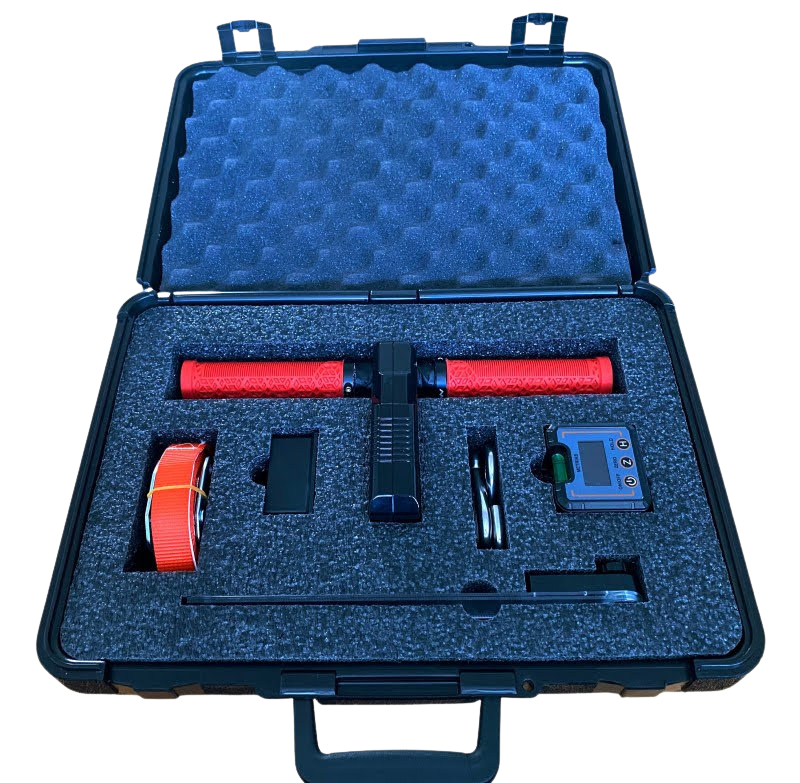
Hand and pinch testing.
-
Non-material handling.
-
Material handling.
-
Exit interview.
These stages provide an overview of the assessment sequence. The selection, order and extent of testing depend on the referral questions, relevant job demands, clinical findings and the individual’s responses.
Watch the video: During the FCE — Guiding and Observing
The Assessor’s Role Throughout the FCE
An FCE requires more than recording how much someone lifts or how long they stand.
The assessor must understand how the person performs, what affects that performance and whether the findings help answer the referral questions.
Across the assessment, the assessor:
-
Provides clear instructions and demonstrations.
-
Checks that the patient understands the task.
-
Observes movement, posture, balance and task performance.
-
Monitors symptoms and physiological responses.
-
Provides rest and considers recovery.
-
Applies appropriate progression and stopping criteria.
-
Records findings and the reasons testing ended.
The Current Concepts in Functional Capacity Evaluation: A Best Practices Guideline (2018) recommends sequencing and progressing testing to support performance and safety. It also emphasizes monitoring physiological, biomechanical and symptom-related responses throughout the evaluation.
1. Interview: Understand the Patient’s Current Function
The interview gives the patient an opportunity to explain their history, symptoms and functional concerns in their own words.
The assessor explores relevant information such as:
-
Current symptoms and how they change with activity.
-
Reported abilities and difficulties at home and work.
-
Previous treatment and the response to it.
-
Work duties and perceived barriers to participation.
-
Concerns about the assessment.
This discussion builds on the referral and document review completed before the appointment. It also helps identify information that needs clarification before physical testing begins.
For example, a patient may report being able to stand briefly but needing frequent changes of position. That gives the assessor a functional concern to explore during testing.
The patient’s account remains an important source of information throughout the FCE. It is considered alongside examination findings and observed performance.
2. Musculoskeletal Evaluation: Establish Relevant Clinical Findings
The musculoskeletal evaluation examines movement, strength and other clinical findings relevant to the case.
Depending on the referral and presentation, this may include range of motion, strength testing and assessment of the affected body regions. Relevant systems screening also helps the assessor consider readiness for functional testing.
The purpose is to establish clinical context for the activities that follow.
For example, restricted shoulder movement may help explain difficulties observed during reaching. Lower-limb findings may be relevant when interpreting squatting, climbing or lifting performance.
Clinical examination findings contribute to the assessment, but they do not independently establish work capacity. The assessor must also consider what the person demonstrates during functional activities.
3. Hand and Pinch Testing: Measure Grip and Pinch Strength
Hand testing measures grip and pinch strength using appropriate equipment and standardized procedures.
The assessor explains the task, demonstrates the required position and checks that the patient understands how to perform it. Positioning, equipment settings, symptoms and relevant observations should be documented.
These measurements can contribute useful information about hand function, particularly when work involves gripping tools, handling objects or manipulating smaller items.
However, grip or pinch strength alone does not establish whether someone can perform an entire job. Results need to be interpreted alongside the other findings and the demands being considered.
4. Non-Material Handling: Assess Postures and Movement Tolerance
Non-material handling testing examines activities that do not primarily involve moving an external load.
Depending on the assessment, these may include:
-
Sitting and standing.
-
Walking and stair climbing.
-
Bending and squatting.
-
Kneeling.
-
Forward and overhead reaching.
-
Balance and other relevant mobility tasks.
The assessor considers more than whether the patient can achieve a position once.
Can they maintain it? Repeat it? Move into and out of it? How does performance change over the course of the task?
For example, reaching overhead once provides different information from repeatedly reaching to a shelf. The test selected should reflect the functional question being investigated.
The assessor records performance, symptoms, movement strategies, rest requirements and the endpoint reached.
5. Material Handling: Evaluate Lifting, Carrying, Pushing and Pulling
Material handling testing examines the individual’s ability to move or exert force against external loads.
Tasks may include lifting, lowering, carrying, pushing and pulling. Their relevance depends on the referral questions and, where applicable, the documented demands of the job.
The assessor provides instructions and demonstrations, then observes the patient’s performance as testing progresses.
Relevant observations may include:
-
Load control and movement patterns.
-
Balance and stability.
-
Changes in technique.
-
Reported symptoms and exertion.
-
Physiological responses.
-
Recovery between tasks.
Progression should follow the selected procedure and appropriate endpoints. A heavier load is not automatically the next step: the assessor must consider the information already collected and the patient’s responses.
Example: Looking Beyond the Weight Lifted
Two patients may lift the same weight while demonstrating different performance.
One may maintain controlled movement across the required repetitions. Another may show a change in technique, increasing symptoms or a need for additional rest.
The recorded weight matters, but these observations help explain what the result means.
When making a job-specific comparison, the assessor also needs sufficiently detailed information about the work. Load, frequency, height, distance and duration can all affect the comparison.
Explore the Metriks Job Demands Analysis resources for more on defining work requirements.
6. Exit Interview: Review Symptoms, Recovery and Next Steps
The assessment continues after the final physical task.
During the exit interview, the assessor reviews the patient’s current symptoms, changes experienced during testing and any concerns arising from the appointment.
This stage may include:
-
Comparing current symptoms with those reported at the start.
-
Reviewing recovery following testing.
-
Recording the patient’s perspective on their performance.
-
Providing appropriate post-assessment instructions.
-
Explaining the report process and next steps.
The exit interview adds context to the test findings and gives the patient an opportunity to raise anything that has not yet been discussed.
When Does the Assessor Progress or Stop Testing?
Decisions about progression and stopping occur throughout the FCE.
The assessor considers the selected procedure, clinical precautions, patient consent, observed performance, symptoms and physiological responses. Testing may also end because the assessment objective has been met.
An endpoint should be documented clearly. Completing the planned task, choosing to stop and reaching a safety-related endpoint describe different circumstances.
This overview introduces that decision-making process. Detailed procedures, monitoring methods and endpoint criteria are addressed separately in the Metriks FCE training series.
How the Findings Come Together
An FCE combines multiple sources of information:
-
The referral questions and supporting records.
-
The patient’s history and symptom reports.
-
Clinical examination findings.
-
Measured functional performance.
-
Observed movement and responses to activity.
The assessor interprets these findings together to describe functional abilities and limitations.
The resulting report provides evidence to inform rehabilitation, accommodation and return-to-work planning. Decisions about benefits and workplace arrangements also involve other information and the responsibilities of the relevant decision-makers.
Frequently Asked Questions
Does every FCE follow the same sequence?
No. The six stages shown in this video provide an overview of our training sequence. Test selection and order may vary according to the purpose of the evaluation, clinical findings, precautions and patient responses.
What is the difference between material and non-material handling?
Material handling includes tasks such as lifting, carrying, pushing and pulling external loads. Non-material handling focuses on activities such as sitting, standing, walking, kneeling and reaching.
Does the assessor only record the final result?
No. The assessor also records relevant symptoms, movement patterns, physiological responses, rest requirements and test endpoints. These details help explain the measured performance.
Are rest breaks part of an FCE?
Yes. Rest and recovery are considered within the assessment process. Their timing and duration should be managed according to the procedure and the individual’s responses, with relevant details documented.
Does this video teach the full testing procedures?
No. It introduces the assessment process and the assessor’s role. Detailed test administration and data entry are covered separately in the Metriks training series.
Continue Learning With Metriks
This is the second video in our FCE assessor training series. The first covered referral preparation. The next explores how the assessor records findings while the assessment takes place.
Explore Metriks FCE Certification and the Functional Capacity Evaluation learning hub.
Related Resources
Reference
Allison S, Galper J, Hoyle D, Mecham J. Current Concepts in Functional Capacity Evaluation: A Best Practices Guideline. Adopted April 30, 2018. See “Test Components” and “Test Administration,” pp. 8–11.