Functional Capacity Evaluation Lift Box: Equipment, Dimensions, and Clinical Use
What Should a Functional Capacity Evaluation Lift Box Look Like?
A lift box is a standardized material handling tool commonly used during Functional Capacity Evaluations (FCEs), work conditioning, and return-to-work testing. Physical therapists, occupational therapists, kinesiologists, and chiropractors use lift boxes to objectively measure lifting ability, biomechanics, tolerance, and safe work capacity. The design of the box — including dimensions, weight, handles, and load configuration — influences testing reliability and clinical relevance.

Why the Lift Box Matters in FCE Testing
In functional capacity evaluations and work conditioning, the lifting crate matters more than most clinicians realize. Rehab professionals are not just choosing a box to hold weight. They are selecting a tool that influences grip mechanics, lifting posture, symmetry, carry demands, and test standardization.
These are the same standardized material handling principles we teach in our FCE Certification workshops, where clinicians learn how to progress lifting tests safely while objectively measuring work capacity.
Common Lift Box Dimensions
Most clinics use either industrial milk crates, molded plastic totes, or purpose-built wooden FCE lifting boxes. Common dimensions are approximately 13" x 13" x 11–13" for milk-crate style testing and approximately 14" x 14" x 17" for larger FCE lifting boxes. These sizes allow testing from floor-to-waist, waist-to-shoulder, waist-to-overhead, and carry tasks while remaining manageable for progressive loading.

Materials Used for FCE Lift Boxes
Materials are usually heavy-duty HDPE plastic or reinforced plywood/wood composite. Plastic crates are popular because they are inexpensive, durable, easy to clean, and tolerate repeated use during work conditioning. Wooden FCE boxes are more common in dedicated industrial rehab settings because they provide a more standardized shape and predictable center of mass.
Handle Design Changes the Biomechanics
Handle design changes the biomechanics substantially. Cut-out side handles are common on milk crates and promote a pinch or hook grip. Bar handles or recessed grip openings are often preferred in standardized FCE lifting boxes because they reduce sharp edge pressure and better simulate industrial containers.

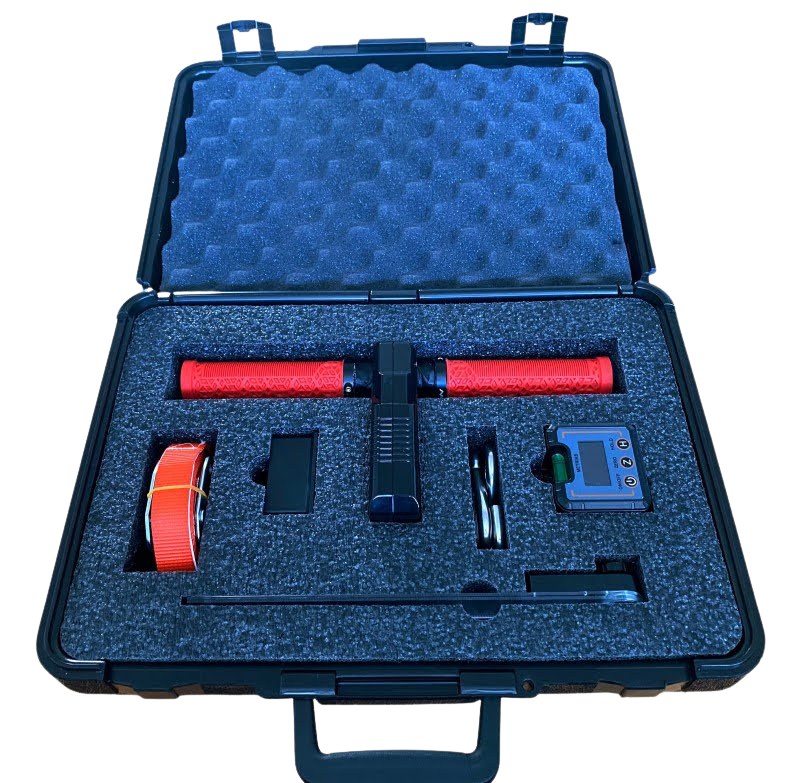
Many clinics pair lifting tests with push/pull force testing equipment and functional testing hardware to create a more complete picture of physical work capacity.
Load Capacity and Weight Progression
Load capacities commonly range from 25 lb to 100 lb depending on the box construction. Many rehab professionals progressively load crates using gym plates, sandbags, or removable internal weight trays. The trend in modern industrial rehabilitation is toward inexpensive, modular systems using commercial crates rather than proprietary equipment, especially for clinics building portable FCE systems or hybrid work conditioning gyms.
Modern clinics are increasingly building portable functional lifting stations and modular FCE systems rather than relying on expensive proprietary equipment.
Frequently Asked Questions
What size lift box is used in an FCE?
Many clinics use a milk-crate style box around 13" x 13" x 11–13" or a larger FCE lifting box around 14" x 14" x 17". The best size depends on the test protocol, load progression, and clinical purpose.
Can a milk crate be used for FCE lifting tests?
Yes, many clinics use milk crates for material handling testing because they are inexpensive, durable, and easy to load. The limitation is that handle design, box size, and center of mass may vary between crates.
Why does handle design matter?
Handle design affects grip, wrist position, shoulder loading, and lifting mechanics. A poorly designed handle can change the test by making grip the limiting factor instead of the intended lifting task.
How much weight should an FCE lift box hold?
Many clinical lift boxes are progressively loaded from light starting weights up to 25 lb, 50 lb, 75 lb, or more depending on the construction of the box, the referral question, and the worker’s job demands.
Related Functional Testing Articles
- What Is a Functional Capacity Evaluation?
- Push/Pull Testing in Functional Capacity Evaluations
- Work Conditioning vs Functional Capacity Evaluation
- Effort Testing in Functional Capacity Evaluations
- Material Handling Testing for Return to Work
- Biomechanics of Lifting in FCE Testing
Learn FCE Material Handling Testing
In collaboration with Metriks Education Inc., the Canadian Kinesiology Alliance will be hosting the next FCE Certification Workshop in Toronto on May 30.
This hands-on workshop is designed for professionals looking to strengthen their skills in functional assessment and return-to-work planning. Students and new graduates are encouraged to attend.
Date: Saturday, May 30, 2026
Time: 8:30 AM – 4:30 PM
Location: Toronto, ON
Instructor: Kevin Cairns, Metriks
Limited spots available.
Register here