What Lift Box Should I Use for My FCE? | Metriks
Today I received an interesting question and a photo: “Which lift box should I use for my FCE?” It is a good question—and one with more than one sensible answer.
A lift box is a container used to hold a known load during a Functional Capacity Evaluation (FCE). It supports material handling tasks such as floor-to-waist lifting, higher lifts, and carrying. Its empty weight, dimensions, handle positions, and load stability all help define the task being assessed.
So I pulled together several common options and reviewed OSHA and NIOSH guidance. My practical answer? Choose a box that fits your protocol, the person’s starting ability, and the task you want to assess. Each option below has useful features and a few trade-offs. There is room in the clinic for more than one kind of box.

Start With the Empty Box
Before looking at the biggest number on the specification sheet, look at the smallest: the weight of the box itself.
A 3 lb crate gives you flexibility at the lighter end of testing. A 21.5 lb wooden box starts the task at 21.5 lb before a single weight plate goes inside. That may be perfectly appropriate for one person and too much for another.
Total lifted weight = empty box + added weights + any lid, liner, or attachments lifted with it.
For example, 20 lb of plates in a 3 lb crate is a 23 lb lift. The same plates in a 21.5 lb box make a 41.5 lb lift. Same plates, very different test.
Weigh your actual setup, including the lid if it stays on. Record the total lifted weight rather than only the plates you added.
FCE Lift Boxes at a Glance
The figures below are the specifications supplied for this comparison. Empty weights are approximate. Check the exact model’s instructions before use, including whether its rating means contents weight or total loaded weight, and whether it applies to lifting by the handles.
| Box | Supplied load rating | Empty weight | Main practical consideration |
|---|---|---|---|
| BIGANT folding crate | 132 lb | 3 lb | Light and folds away; inspect folding joints and locks. |
| Milk crate—specific model shown | 250 lb | 3 lb | Light starting load; handhold comfort varies. |
| Hausmann lift box with lid | 75 lb | 17 lb | Enclosed option; confirm the model’s load limit. |
| Hausmann Carry-All crate | 75 lb | 12.5 lb | Open access and handle choices; heavier starting load. |
| Clinton weight box with lid | 100 lb | 21 lb | Enclosed box; limited flexibility below 21 lb. |
| Clinton square combo weight box | 100 lb | 16 lb | Several gripping options; standardize the chosen grip. |
| Bailey lift box with handles and push cart | 80 lb | 10 lb | Useful for multiple handling tasks; confirm box versus cart ratings. |
| Bailey 6032 | 100 lb | 21.5 lb | The box identified in the clinic photo; starts above 20 lb. |
These are equipment ratings, not prescribed patient test loads. The 250 lb figure belongs to the particular milk crate described here; it is not a rating for every milk crate.
A Closer Look at the Options
BIGANT Folding Crate: Easy to Store, Easy to Start Light

At approximately 3 lb empty, the BIGANT crate leaves plenty of room for light starting loads and small increases. Folding storage is also attractive when your FCE equipment travels between clinics or shares space with other services.
The trade-off: folding introduces hinges and locking points. Make sure the crate is fully open and locked, the base is supported as intended, and the handholds and joints remain sound. A folding crate needs to behave like a rigid container during the lift—not begin its packing-up routine halfway through.
A useful fit: portable setups and lighter starting loads, provided the exact model is suitable for the planned loading and repeated lifting.
Milk Crate: Simple, Light, and Worth Checking Carefully

This milk crate combines a low empty weight of approximately 3 lb with a stated 250 lb rating. That offers loading flexibility, but the large number does not mean you should test everyone anywhere near it.
The trade-off: milk crates vary. Some handholds feel comfortable; others concentrate pressure on the fingers. An open grid base also needs attention when using small or concentrated weights. Secure the load so it cannot shift or fall through, using accessories suitable for the crate and counting their weight.
A useful fit: everyday material handling testing when the particular crate’s rating, condition, and grip are appropriate. A random storage crate is not automatically equivalent.
Hausmann Lift Box With Lid: An Enclosed Option

This box weighs approximately 17 lb empty. A lid can be helpful when you want an enclosed-container task or want the weights out of view. It does not, by itself, secure the weights inside.
The trade-off: 17 lb becomes your minimum load if the complete box is lifted. Keep the lid configuration consistent, check its closure, and confirm the model’s load rating—the rating was not supplied for this comparison.
A useful fit: testing an enclosed box when its starting weight and verified rating suit the person and protocol.
Hausmann Carry-All Crate: Open Access and Handle Choices

The Carry-All crate is listed here at approximately 12.5 lb empty, with a 75 lb rating. Its open top allows access to the load, and the pictured design provides different gripping positions.
The trade-off: those choices need a plan. A higher handle and a lower handle create different starting hand heights. Specify the handles used so repeat testing measures the same task.
A useful fit: clinics wanting accessible loading and more than one handling configuration, while keeping each configuration clearly defined.
Clinton Weight Box With Lid: Useful, but Already 21 lb

The Clinton box with lid has a supplied 100 lb rating and an empty weight of approximately 21 lb. Its enclosed shape and multiple handhold levels provide options for defining the lifting task.
The trade-off: you cannot use a 21 lb empty box to demonstrate a 10 lb lift. A lighter container is needed for that question. Record the selected handholds and lid configuration, too.
A useful fit: enclosed-box tasks and testing that begins at or above its empty weight.
Clinton Square Combo Weight Box: Several Ways to Grip

The square combo box weighs approximately 16 lb empty and has a supplied 100 lb rating. The pictured side openings and top bar offer different ways to handle the same container.
The trade-off: a two-handed side-handle lift and a top-bar lift are different tasks. Changing grips during a progression may change what limits performance. Select the intended configuration and document any change.
A useful fit: varied work simulations or a defined repeatable test using one selected grip.
Bailey Lift Box and Push Cart: More Than One Handling Task
The Bailey box-and-cart option described for this comparison has a supplied 80 lb rating and approximately 10 lb empty box weight. A removable box and cart can support lifting, carrying, and pushing tasks within one equipment setup.
The trade-off: check the box and cart specifications separately. Lifting a box and pushing it on wheels assess different demands; rolling resistance, floor surface, and cart loading need their own documentation.

A useful fit: a clinic combining material handling assessment with work simulation or work conditioning. Confirm how the removable box sits securely on its cart.
Bailey 6032: The Box That Started the Conversation

The box in the original clinic photo was identified as the Bailey 6032. Its supplied rating is 100 lb, and its empty weight is approximately 21.5 lb.
The positive: it gives the clinic a purpose-built box with an identifiable model and defined handling options. The trade-off: the starting load is already more than 20 lb. That is an equipment limitation when you need to assess lighter capacity—not evidence that the person should begin at that weight.
The product image labels the 6032 “NIOSH Standard.” That wording alone does not establish NIOSH endorsement or make it a required FCE box. Use the model’s specifications and your protocol to decide whether it fits.
What Do OSHA and NIOSH Add to the Discussion?
The useful lesson is that weight is only part of a lifting task.
The OSHA Technical Manual’s ergonomics chapter considers load distance, lifting height, twisting, grip, frequency, and load stability. Its coupling guidance distinguishes better and poorer hand-to-object grips. A box having handles does not automatically make those handles comfortable or suitable.
The NIOSH Applications Manual explains the Revised NIOSH Lifting Equation. This is a workplace lifting-risk tool, rather than an individual clinical FCE capacity test. Relevant inputs include hand location, vertical travel, asymmetry, lifting frequency and duration, and grip quality.
OSHA also describes limits to the equation’s application, including unstable loads, one-handed lifts, and seated or kneeling lifting. The 51 lb load constant is a starting value under ideal conditions, not a universal safe lifting limit or a target for an FCE.
My clinical takeaway: two boxes containing the same total weight can still create different tasks. A wider box may alter how close the load can be held; different handles can change the starting hand height and grip. Measure the actual setup rather than assuming the brand name tells you everything.
How I Would Choose a Lift Box
- Check the protocol. If a standardized test specifies a box, dimensions, or grip, follow those requirements. Document substitutions and consider their effect on interpretation.
- Choose a sensible starting weight. Keep a lightweight option available when a heavier empty wooden box would prevent assessment of lower loads.
- Check the complete setup. Confirm the rating applies to the intended use. Inspect handles, base, joints, hinges, and closures; distribute and secure the weights.
- Define the task. Record box dimensions, total weight, handle selection, starting and finishing hand heights, repetitions, and pace. For job-specific testing, compare the setup with the actual job demands.
- Keep it consistent. Use the same configuration for comparisons. If you change the box or grip, identify the change rather than treating the results as interchangeable.
A practical clinic might keep a light crate for low-load testing and a wooden box for other defined tasks. A folding crate may suit a travelling evaluator. A box-and-cart combination may suit a work conditioning program. These are useful choices, provided each matches its purpose.
The equipment rating is a ceiling for that equipment’s permitted use. Clinical progression still depends on the person’s performance, symptoms, load control, and the protocol’s stopping criteria.
Frequently Asked Questions
Is there one required lift box for every FCE?
There is no single box identified as mandatory across all FCEs in the OSHA and NIOSH resources reviewed here. Individual standardized protocols may specify equipment; follow the requirements of the test you are using.
Can I use a milk crate for FCE lifting tests?
It can be an option when the exact crate is suitable for loaded lifting and your protocol permits it. Confirm its rating, inspect its condition, secure the weights, and document the dimensions and handles used.
Should the empty box weight be included?
Yes. Report the total weight lifted, including the box and any lid or accessories lifted with it. Added plates alone do not describe the load.
Is a heavier wooden box better than a light plastic crate?
Not automatically. Wooden boxes can offer useful shapes and handle configurations. Lightweight crates offer more flexibility for low-load testing and transport. Suitability depends on the task and protocol.
Does a 100 lb rating mean I can add 100 lb of plates?
Only if the manufacturer defines the rating that way for the intended use. A contents rating, total loaded rating, stacking rating, and cart rating are different specifications. Confirm which one applies.
Does “NIOSH Standard” mean a box is required or approved by NIOSH?
The product wording alone does not establish either. The NIOSH reference reviewed here explains lifting-risk assessment; it does not prescribe the Bailey 6032 as the required FCE box.
Related Reading
Put the Equipment Into a Testing Plan
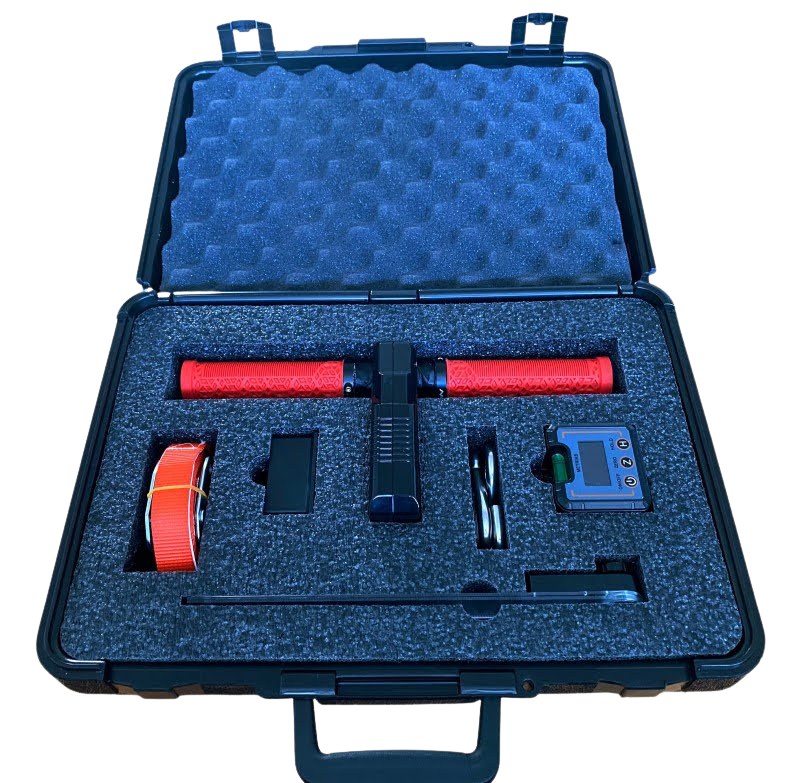
Choosing a box is one part of designing a useful FCE. Metriks FCE Certification connects equipment selection with functional testing, clinical interpretation, and reporting. For equipment options, explore the Meza FCE in a Box hardware kit.
My answer to the original question: use a box you can justify, weigh, inspect, and use consistently. Sometimes the simplest crate is exactly what you need. Sometimes a purpose-built wooden box is a better fit.
References and Product Information
- OSHA. OSHA Technical Manual, Section VII, Chapter 1: Back Disorders and Injuries, including Appendix VII:1-2, Evaluation of Lifting Tasks.
- Waters TR, Putz–Anderson V, Garg A. Applications Manual for the Revised NIOSH Lifting Equation. DHHS (NIOSH) Publication No. 94-110; 1994, revised September 2021.
- NIOSH. Revised NIOSH Lifting Equation: purpose, inputs, and interpretation.
Product weights, ratings, and identification were supplied for this comparison and were not independently verified against current manufacturer manuals. Practical pros and cons are the author’s equipment-selection discussion, not comparative product testing. Photos are supplied reference images; the FEI cart image is identified separately from the Bailey specifications.