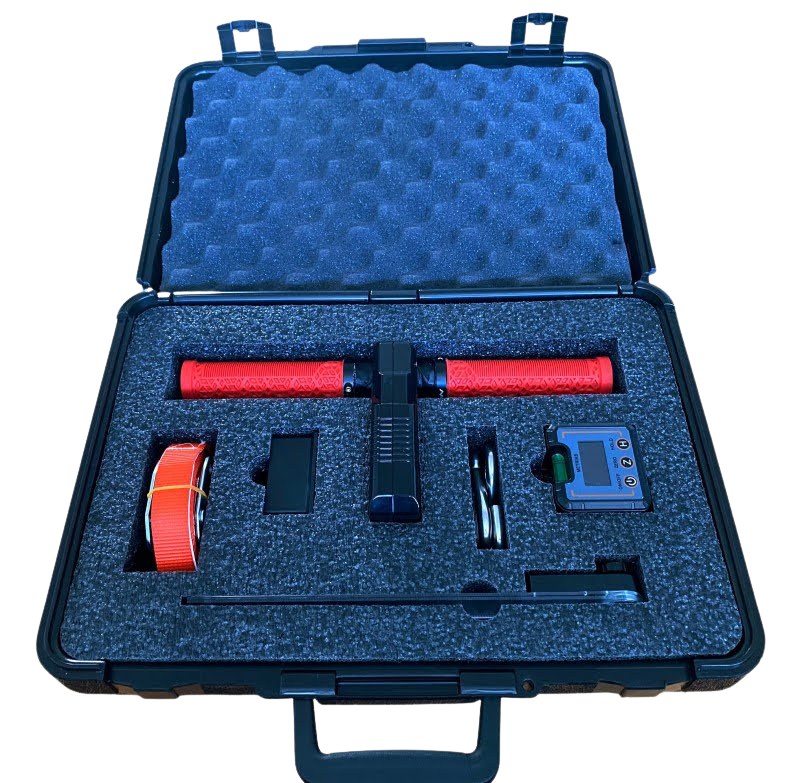
How much space does your lifting station occupy?
How much space does your lifting station occupy?
If you are a kinesiologist, physical therapist, occupational therapist, or clinic owner — this is for you.
One of the biggest barriers to implementing Functional Capacity Evaluations isn’t clinical knowledge… it’s logistics.
Space. Setup. Equipment.
Most clinics don’t have the footprint (or flexibility) for a traditional lifting station — especially when you need to assess multiple lift heights (floor to waist, waist to shoulder, overhead) in a controlled and repeatable way.
That’s where systems like the Metriks functional lifting station stand out.
Instead of building a custom setup or dedicating a large area of your clinic, this system is designed to be:
• Compact and space-efficient
• Adjustable across multiple lift heights
• Standardized for consistent testing
• Practical for real clinical environments
It allows you to run key components of a material handling assessment — like floor-to-waist and waist-to-shoulder lifts — without needing an entire room dedicated to equipment.
And that matters.
Because when you’re performing an FCE, the goal isn’t just to “test strength” — it’s to produce objective, defensible data that reflects real job demands.
If your setup is inconsistent, your data is too.
A well-designed lifting station helps you:
• Standardize testing positions
• Control variables across sessions
• Improve reliability of your results
• Build reports you can actually stand behind
This is exactly the kind of practical implementation detail that often gets overlooked — but makes or breaks your ability to offer FCEs in your clinic.
We cover this in our upcoming in-person Functional Capacity Evaluation workshop in Calgary.
Details and registration:
https://lnkd.in/eM5YG4bB