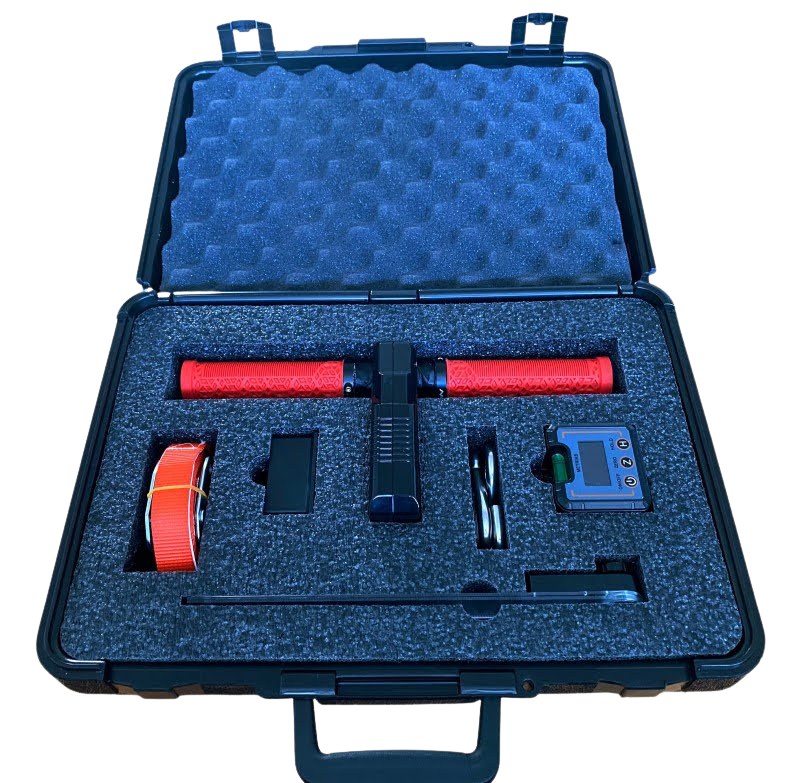
Range of Motion Testing with an Inclinometer (FCE Training – Calgary)
The Neutral Zero Measuring Method in Functional Capacity Evaluation (FCE)
The Neutral Zero Measuring Method is the foundation for how clinicians describe and communicate joint range of motion, yet it is often applied inconsistently in practice. For physical therapists, occupational therapists, chiropractors, and kinesiologists working in orthopaedics, occupational rehabilitation, impairment assessment, or Functional Capacity Evaluation (FCE), precision in how motion is measured and reported is not optional.It is what allows findings to be interpreted, compared, reproduced, and defended.
In Functional Capacity Evaluation and occupational testing, range of motion measurements are not collected in isolation. They contribute to clinical reasoning about work ability, functional tolerance, impairment, safe participation, biomechanics, and risk of harm. When the measuring method is inconsistent, the downstream conclusions become less reliable.
This is why standardized methods such as the Neutral Zero Measuring Method remain important in occupational rehabilitation, return-to-work assessment, work conditioning, disability management, and employer functional testing.
Calgary ROM Demonstration Video
Calgary ROM by Kevin Cairns
What Is the Neutral Zero Measuring Method?
A standardized measuring method, the Neutral Zero Measuring Method became the preferred system in 1969 for describing joint range of motion.
The Neutral Zero Measuring Method defines the starting position from the anatomical position of the body:
- upright standing posture
- feet facing forward
- arms at the side
- palms facing forward
This is not simply a textbook reference position. It is the anchor that ensures every measurement begins from a known and reproducible baseline.
Without that anchor, the numbers lose meaning.
Every joint movement is described relative to this neutral starting position, which is defined as zero degrees. Movement is then recorded as degrees away from neutral in one or more directions depending on the joint being measured.
The purpose of the system is standardization.
Two clinicians measuring the same individual should be able to obtain reasonably comparable values when the method is applied correctly.
Why Neutral Zero Matters in Functional Capacity Evaluation
In an FCE or occupational assessment, precision in range of motion measurement becomes particularly important because the measurements may later support conclusions about:
- functional work ability
- job demands tolerance
- safe participation
- return-to-work planning
- impairment
- work restrictions
- risk of harm
If the starting position is inconsistent, or the documentation is ambiguous, the clinical conclusions become weaker.
The current FCE best-practice literature emphasizes the importance of using tools and techniques with demonstrated reliability when conducting physical examination procedures including range of motion testing. Repeated trials and standardized methods may improve reliability and sensitivity to change.
This is one reason standardized ROM language remains important in occupational rehabilitation and Functional Capacity Evaluation reporting.
How Neutral Zero Documentation Works
Where clinicians often get into trouble is not in taking the measurement itself, but in how the measurement is documented.
The Neutral Zero method requires a consistent reporting format.
For example:
- Normal elbow flexion: 0–150°
- Elbow hyperextension: 10–0–150°
This format communicates three critical pieces of information:
- whether neutral is achievable
- the direction of restriction or hypermobility
- the total available range
A knee resting in 10 degrees of flexion is not the same as a knee that reaches zero and then flexes to 120 degrees.
The Neutral Zero method forces that distinction.
When this structure is not followed, the reader is left to infer.
And inference is where errors occur.
Active Versus Passive Range of Motion
Active ROM refers to movement performed by the examinee without assistance.
During active ROM testing, the individual is instructed to move the body part through the maximum available range even if mild discomfort occurs.
This distinction matters because active movement reflects:
- strength
- motor control
- coordination
- pain tolerance
- functional participation
In occupational rehabilitation and Functional Capacity Evaluation, active movement often has greater relevance because it reflects what the individual can actually do functionally.
Passive range of motion occurs when the examiner moves the body part through the available range.
Passive testing may introduce additional variability because:
- force application differs between examiners
- movement speed may vary
- end-feel interpretation differs
- guarding response may change
The current literature notes that physical examination findings should rely on reliable and reproducible testing methods whenever possible.
Why Standardization Matters Clinically and Legally
Functional Capacity Evaluations frequently exist within systems involving employers, insurers, legal professionals, disability determination systems, and workers’ compensation programs.
Because of this, documentation quality matters.
The APTA occupational health guidance specifically notes that FCE reports may carry legal and financial implications and should comply with appropriate reporting standards and defensible methodology.
Ambiguous or inconsistent ROM documentation weakens:
- report defensibility
- inter-rater reliability
- comparison over time
- return-to-work recommendations
- impairment interpretation
A measurement system only works when clinicians apply it consistently.
Common Neutral Zero Documentation Errors
- Failing to identify inability to reach neutral
- Omitting hyperextension values
- Using inconsistent starting positions
- Mixing active and passive ROM findings
- Using unclear notation formats
- Failing to document side-to-side comparisons
- Allowing positioning differences between trials
These errors may appear minor, but they significantly reduce the value of the measurement.
Neutral Zero and Functional Movement Observation
Range of motion measurements should not be interpreted in isolation.
Modern Functional Capacity Evaluation methodology integrates:
- movement quality
- functional performance
- biomechanics
- symptom response
- consistency across tasks
- observed activity tolerance
The FCE literature specifically discusses situations where repeated ROM measurements may appear inconsistent compared to observed functional movement during distracted activity.
For example, an individual may demonstrate limited cervical rotation during formal testing but later functionally rotate further during normal conversation or hallway interaction.
This does not automatically indicate deception.
It indicates that the evaluator must integrate all observed findings into broader clinical reasoning.
Why the Neutral Zero Method Still Matters
The Neutral Zero Measuring Method is not complicated, but it is exacting.
It requires:
- consistent positioning
- clear instructions
- repeatable technique
- precise documentation
- standardized terminology
For clinicians involved in Functional Capacity Evaluation, occupational rehabilitation, impairment assessment, and return-to-work planning, that discipline is what separates a defensible measurement from an opinion.
Related Functional Capacity Evaluation Articles
Functional Capacity Evaluation Training
Metriks Education provides Functional Capacity Evaluation training focused on biomechanics, range of motion assessment, occupational rehabilitation, material handling, report writing, performance validity, and defensible clinical reasoning.
Frequently Asked Questions
What is the Neutral Zero Measuring Method?
The Neutral Zero Measuring Method is a standardized system for documenting joint range of motion using the anatomical position as the zero-degree starting point.
Why is the Neutral Zero method important in Functional Capacity Evaluation?
It improves measurement consistency, reporting clarity, inter-rater reliability, and defensibility when range of motion findings are used in occupational rehabilitation and return-to-work decision making.
What does 10–0–150 mean in ROM documentation?
It means the joint demonstrates 10 degrees of hyperextension, returns to neutral (0), and then flexes to 150 degrees.
Why is active ROM commonly emphasized in occupational testing?
Active ROM reflects what the individual can functionally perform using their own strength, coordination, and motor control rather than movement produced by the examiner.
Can ROM findings affect return-to-work recommendations?
Yes. ROM findings may contribute to conclusions about functional limitations, safe work participation, biomechanics, and task tolerance during Functional Capacity Evaluation.