FCE in a Box: A Complete Functional Capacity Evaluation Hardware System for Rehab Professionals
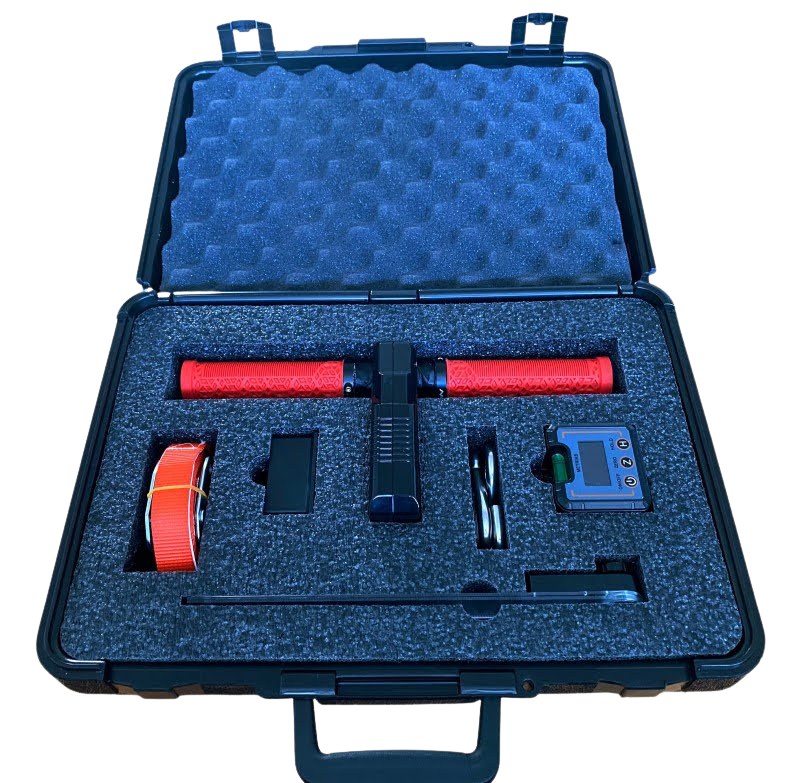
Get the FCE in a Box, a hardware system trusted by rehab professionals across North America — delivered ready-to-use and curated by experts with decades of Functional Capacity Evaluation experience.
If you are a rehabilitation professional trying to launch an FCE program, you already know the challenge.
There are a lot of decisions.
- What equipment do you buy?
- What tests should you standardize?
- What setup actually works in a real clinic?
- What tools are defensible?
- What measurements are reliable?
- What do experienced FCE providers actually use?
And every one of those decisions costs time, energy, and momentum.
You can spend months researching equipment, comparing systems, ordering products, returning products, and trying to piece together a functional testing setup that actually works in practice.
Meanwhile:
- referrals are delayed because the program is not ready
- clinicians lose momentum launching the service
- money gets spent on tools that do not work well together
- staff create inconsistent testing processes
- and the clinic ends up with a collection of mismatched equipment instead of a standardized functional testing system
Functional Capacity Evaluation Requires More Than Exercise Equipment
A properly performed Functional Capacity Evaluation is not simply “exercise testing.”
According to the Academy of Orthopaedic Physical Therapy’s Functional Capacity Evaluation and Disability Determination monograph, an FCE is a:
“comprehensive performance-based medical assessment of an individual’s physical or cognitive abilities to safely participate in work and other major life activities.”
The same source emphasizes the importance of:
- objective measurement
- standardized testing procedures
- repeatable testing methods
- reliable clinical observations
- content-valid functional testing
- and evidence-based decision making
That matters because FCE results are often used to support:
- return-to-work decision making
- work restrictions
- disability determination
- occupational rehabilitation planning
- work conditioning progression
- employer accommodation decisions
- and medico-legal reporting
If you want a deeper understanding of how objective functional testing is used in occupational rehabilitation, review our broader Functional Capacity Evaluation resource hub.
Why Standardization Matters in Functional Testing
One of the biggest mistakes clinics make when launching an FCE program is underestimating the importance of standardization.
Inconsistent equipment setups create inconsistent testing.
Inconsistent testing creates weaker data.
And weaker data creates less defensible conclusions.
That is why standardized lifting heights, standardized force testing procedures, standardized material handling tasks, and standardized clinical observations matter during functional testing.
You can see examples of this in our articles:
- Functional Capacity Evaluation Lift Box Equipment, Dimensions, and Clinical Considerations
- Understanding Coefficient of Variation (CV) in Functional Capacity Evaluation
- Why Arrival Notes Are One of the Most Important Parts of an FCE
The physical testing environment directly influences:
- measurement reliability
- repeatability
- workflow efficiency
- clinical observations
- movement analysis
- and interpretation of functional performance
Why We Built the FCE in a Box
The FCE in a Box was built to simplify the process of launching a functional testing program.
Instead of spending months trying to determine what equipment is required, clinics receive a ready-to-use hardware system specifically designed for occupational rehabilitation and functional testing.
The system includes the core physical tools commonly used during:
- lifting evaluations
- push/pull testing
- grip strength testing
- range of motion testing
- material handling testing
- work simulation activities
- standardized functional testing
Everything is selected to function together as a practical clinical system.
No guessing.
No piecing together random equipment from multiple vendors.
No trying to determine whether your setup reflects accepted FCE practices.
Designed Around Real Functional Capacity Evaluation Testing
The system was designed around how Functional Capacity Evaluations are actually performed in clinical practice.
That includes the need for:
- standardized lifting setups
- push/pull force measurement
- objective grip strength testing
- range of motion assessment
- material handling progression
- and repeatable work simulation procedures
The Academy of Orthopaedic Physical Therapy monograph also discusses the importance of:
- performance-based testing
- material handling evaluation
- push and pull force assessment
- grip strength testing
- functional movement assessment
- and objective physical demand testing
The FCE in a Box was curated specifically around those real-world clinical demands.
For example, progressive lifting assessment remains one of the most important components of occupational rehabilitation and return-to-work testing.
If you want to understand how progressive lifting is used clinically, read:
The 1 Rep Max Progressive Lift Test in Functional Capacity Evaluation
Similarly, push and pull force testing is commonly required during industrial rehabilitation and work simulation testing.
You can see examples of practical push/pull testing setups here:
From Hamstrings to Biceps: Practical Set-Ups with the Metriks Push/Pull Device
Who the FCE in a Box Is For
This system was designed for:
- Physical Therapists
- Occupational Therapists
- Kinesiologists
- Chiropractors
- Occupational Rehab Clinics
- Return-to-Work Providers
- Functional Testing Programs
Especially clinicians and clinic owners who want to launch FCE services quickly without spending months researching equipment setups.
If your clinic is also involved in disability management, employer services, or occupational rehabilitation, you may also find these educational hubs useful:
The Goal Is Simple
Help rehab professionals build a more objective, standardized, and defensible functional testing process.
Because return-to-work decisions should not rely on guesswork or “gut feeling.”
They should be based on measurable function.
And that starts with standardized testing systems, reliable measurement tools, and evidence-informed clinical processes.
Learn More About the FCE in a Box
FCE in a Box Complete Hardware Kit
Additional Functional Capacity Evaluation Resources
References
MacMasters W, Allison S, Wickstrom R, McMenamin P. Functional Capacity Evaluation and Disability Determination. Academy of Orthopaedic Physical Therapy, APTA; 2022.
```